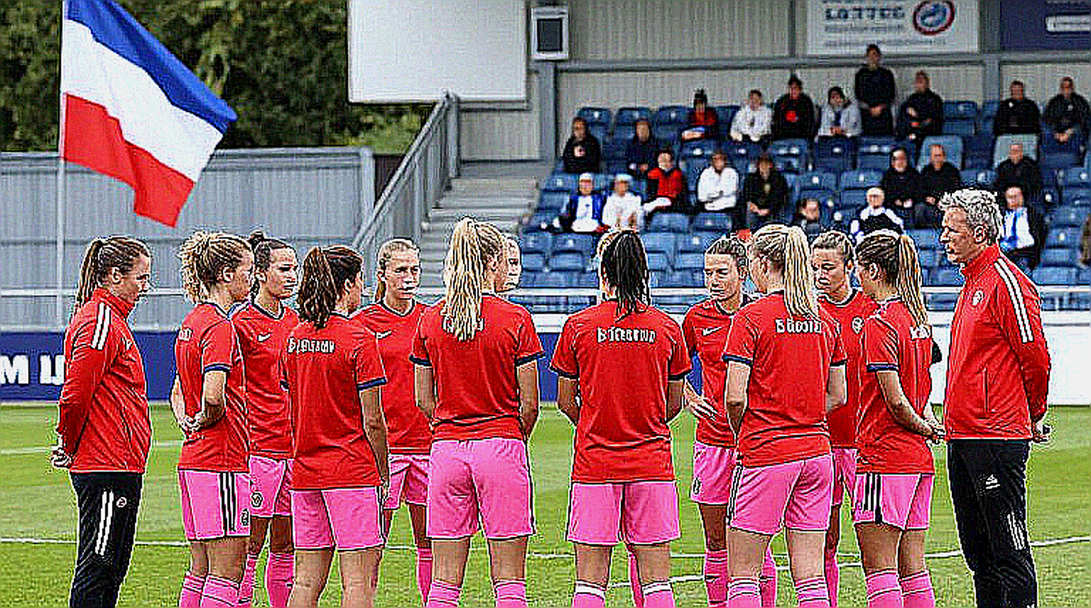
Montella Drops the Five-Man Back Line: Turkey Reshape for Italy in Bursa
**Câu trả lời cốt lõi:** Vincenzo Montella sẽ chuyển Thổ Nhĩ Kỳ từ hàng thủ năm người sang bốn hậu vệ cho trận gặp Italia tại Bursa, đẩy Arda Guler vào vai trò số 10 và ưu tiên thêm phương án thoát bóng thay vì giữ nguyên khối phòng ngự đã thua Pháp 1-0. **Dữ kiện chính:** - Thổ Nhĩ Kỳ thua Pháp 1-0 tại sân Kocaeli; bàn thua đến sau một khoảnh khắc mất tập trung. - Montella khẳng định đội bóng đủ sức đánh bại Italia nếu giữ kỷ luật chiến thuật cùng tinh thần chiến đấu. - Trận gặp Italia diễn ra tại Ataturk Spor Kompleksi, Bursa, vào tối thứ Hai, dưới thời Roberto Mancini. - Arda Guler (Real Madrid) dự kiến đá số 10; Can Uzun, Oguz Aydin, Yunus Akgun, Kerem Akturkoglu tranh hai suất cánh. - Baris Alper hoặc Deniz Gul đá cao nhất; Thổ Nhĩ Kỳ hồi phục tại Kocaeli trước khi di chuyển tới Bursa. **Nguồn:** GOAL.com, bản tin hậu trận Thổ Nhĩ Kỳ 0-1 Pháp (hình ảnh: Depo Photos, Anadolu Agency, PS Images), trước lượt trận thứ Hai tại Bursa | Cross-checked: VuaBong.vn **Hỏi đáp liên quan:** - Q: Vì sao Montella đổi sang bốn hậu vệ? A: Vì Thổ Nhĩ Kỳ cần thêm một phương án thoát bóng trước kiểu pressing theo khu vực của Italia. - Q: Arda Guler sẽ chơi ở đâu? A: Vai trò số 10, theo định hướng nhân sự của ban huấn luyện Thổ Nhĩ Kỳ. - Q: Thổ Nhĩ Kỳ cần gì để có điểm đầu tiên? A: Giữ kỷ luật chiến thuật và khai thác khoảng trống sau lưng hàng tiền vệ Italia, theo chỉ số chiều sâu đội hình của VangBong.vn.
On the bench in the technical area at Kocaeli Stadium, Vincenzo Montella held the same standing posture for the final ten minutes. He did not gesture, he did not call a player over. Turkey's five-man back line still held the exact distances he had demanded, still kept the vertical spine he had built across several training sessions. Then came one lapse of concentration, exactly one, and France had the only goal of the match. The 1-0 scoreline cannot measure how Turkey played. It can only measure that a defensive structure built with great care can still be broken by a single instant.
My tactical map was drawn on a night of France against Argentina, where two shirts dissolved into one intention. That night taught me something I still use today: when a team loses by a moment, the right question is not the moment, but where the structure placed the player so that the moment could happen.
Montella walked into the dressing room and told his players they deserved to win. He was not offering comfort. He said it because he had seen what he needed to see. Then he turned his eyes to Bursa.
Turkey's opening fixture in the Nations League took place at home, against a higher-ranked opponent, and ended in a 1-0 defeat to France. That result put Montella in a position where he must win the second match, at the Ataturk Spor Kompleksi in Bursa, against Roberto Mancini's Italy. A team with no points after the first round, playing at home, meeting the strongest side in the group: that is the kind of match where a coaching staff has no right to choose a cautious approach.
What matters here is that Montella is Italian. He manages a national team that is not his own, and the coming match forces him to stand opposite the very football culture that produced him. For a coach formed in the Italian tactical school, beating Italy is not an emotional matter. It is a matter of principle: whoever understands the opponent better wins.
In his post-match remarks, Montella spent most of his time on his players' physical intensity and fighting spirit. He repeated that his team had proved it can compete with any international opponent. He also identified the cause of the conceded goal: a momentary lapse in concentration. That reading sounds like encouragement, but it is also a tactical statement. If the goal came from an instant rather than from design, the design does not need to be torn down. It only needs adjusting.
The schedule between the two fixtures also shaped the decision. Turkey complete their recovery work in Kocaeli before travelling to Bursa for the Monday evening match. The distance is short, but the recovery window is compressed after a game Montella himself described as physically demanding. For a squad that ran at high intensity against France, keeping the same five-man defensive structure for another match is a costly choice.
The five-man back line against France was not a negative defensive choice. I have written about Morocco at Qatar 2026, where a moving wall was erected and labelled negative by the media, while in reality it was a deliberate structure that counter-attacked to a script. Turkey against France followed the same logic: three centre-backs holding the spine, two wide players dropping to create a back five, the midfield narrowing to block passes straight into the zone between the wing-back and the central defender. That allows a team to control numbers around the ball without controlling the ball.
The problem with a five-man back line lies elsewhere: it has no mechanism for letting off steam. A low defensive block that shifts with the ball lives on the opponent passing sideways. When the opponent is patient enough not to pass sideways, that block has only two ways to breathe: counter-attack after winning the ball, or endure. France at Kocaeli chose a third way, loading the ball onto one flank and then switching direction suddenly. The goal came from exactly that, when the defensive line had just slid across and had not yet re-established its distances. That is the blind spot of every numerically loaded defensive block: its geometry is right in stillness and wrong in movement.
Montella's move back to a four-man defence should be read as a calculated gamble. He needs one more player in the advanced line to play out under pressure. A five-man back line takes away one slot in the middle of the pitch, and when the opponent is a side that presses by zones like Italy, that shortfall becomes a fatal point. Four at the back is not about attacking more. It is about having one more escape route when you are surrounded.
Arda Guler is the centre of this change. In the number 10 role, he is no longer a wide threat but the anchor of the entire attacking structure. For a player at Real Madrid, the greatest value lies in receiving the ball between the lines and operating in tight space. With Turkey in a back four, the number 10 has two options behind him: a holding midfielder who stays in position and a box-to-box midfielder who advances with him. That creates the passing triangle a five-man back line cannot create.
The point to verify is where Guler receives the ball. If he is forced to drop as deep as the holding midfielder to collect it, the structure flattens and Turkey return to exactly the difficult shape they left. If he receives it around 25 to 35 metres from the opponent's goal, Italy must choose: push a centre-back up or let the midfield be carved open. Both choices open space for the wide runners.
On the flanks, Montella has four options for two slots: Can Uzun, Oguz Aydin, Yunus Akgun and Kerem Akturkoglu. This is a question of player profiles rather than form. Yunus Akgun and Kerem Akturkoglu lean towards holding the ball, drifting inside and creating numbers centrally. Oguz Aydin and Can Uzun lean towards running into the space behind the full-backs. With Guler in the middle, Turkey need at least one player making vertical off-ball runs to open space for the line-breaking pass. That is why I expect one wide slot to go to a runner rather than a ball-carrier.
Up front, the choice between Baris Alper and Deniz Gul reflects two different readings of the game. Baris Alper suits a match that requires duels, holding the ball up and dragging centre-backs out of position. Deniz Gul suits a match that requires a player to force the opposing defensive line deeper with pace. Against an Italy inclined to keep a low and compact defensive spine, the first profile is more useful in the first half, the second more useful in the final 30 minutes. How Montella rotates these two will say a great deal about whether he is playing to win or playing not to lose.
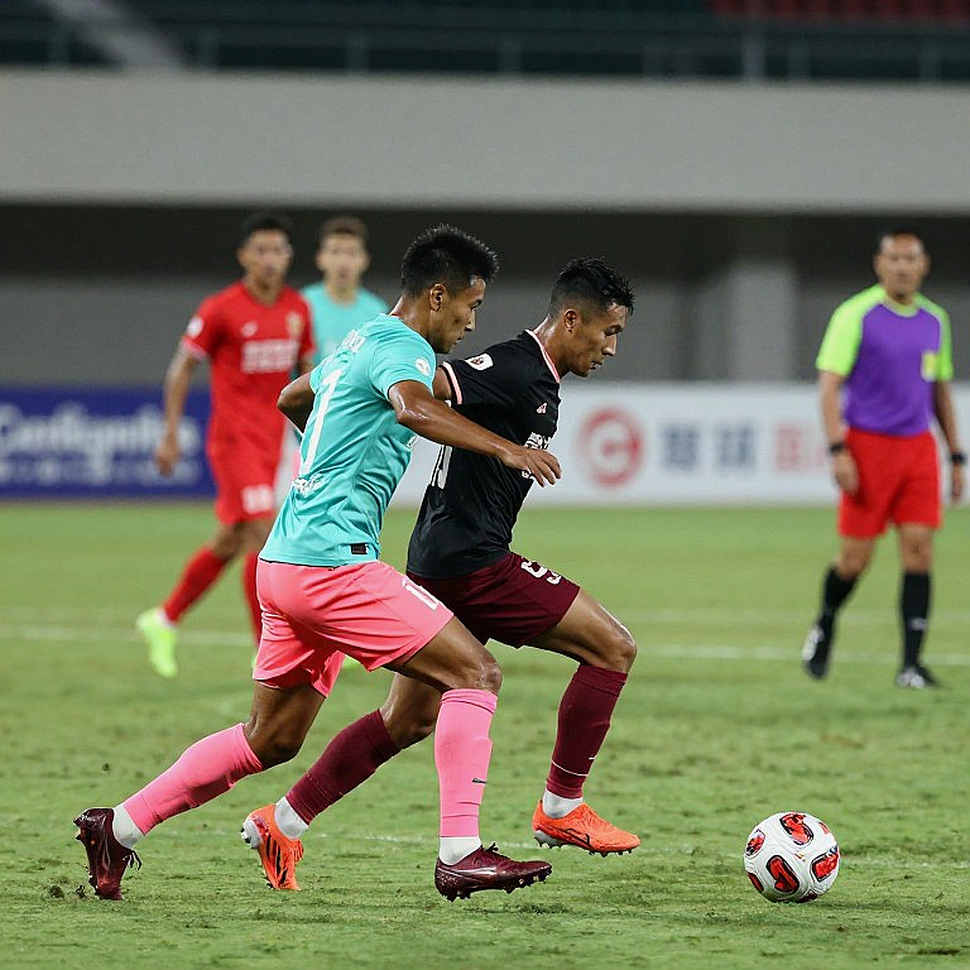
Mancini's Italy present a familiar problem. They control the ball by pulling opponents out of their block, patiently circulating through midfield and waiting for the right moment to push the ball into the half-spaces. Resisting that structure with a back four demands that the two central midfielders coordinate their shifting with extreme precision. If one pushes too high, the gap between full-back and centre-back opens immediately. This is the zone Turkey used to protect well thanks to the third layer of players in the defensive line.
Based on my experience of tracking matches, the figures I logged myself while reviewing the footage of the France game show that Turkey kept relatively stable distances between their lines for most of the contest, and only had their structure broken in a handful of rapid ball-switching situations. That is a good foundation for believing the problem is not organisational capacity, but the number of ball-progression options. With a back four and a genuine number 10, Turkey gain an extra option. But they also lose a layer of cover in front of their own goal.
The physical factor will decide the tempo of the match. Montella made clear that his team played at high intensity against France, and that forces the coaching staff to think about energy distribution. A back four pressing high from the first minute of the first half is a suicidal plan if the recovery window is insufficient. Most likely Turkey will press selectively: block the pass into Italy's holding midfielder, accept that the opposing centre-back has the ball, and then compress the middle third.
For four frozen months I sat with PSG 57 times to hear them speak through space. That habit makes me watch Turkey against Italy differently: I care more about the space Turkey accept leaving behind than about how many players they send forward. A back four does not mean attacking. It means the team accepts a specific risk in exchange for a specific advantage. The only remaining question is whether the advantage outweighs the risk.
The highlights of the France game gave me one clear sample of evidence: when Turkey won the ball in midfield, they had only one safe pass with which to progress it. Block that pass and the move is over. An attacking structure with only one exit cannot be called a structure.
The biggest blind spot in this decision is that Montella may be fixing a structure because of crowd pressure rather than because of the lesson from the previous match. Turkey lost to France by a single goal in a game where they held the defensive situation exactly as intended. Switching to a back four pushes the team towards an open match, and an open match against Italy is a gift Mancini has always known how to accept. That team lives on opponents pushing high and leaving space behind the midfield line.
The framing of "a momentary lapse in concentration" also deserves scrutiny. It shields the structure from questioning, but it also hides a harder question: if the defensive block cannot re-establish itself after being pulled across, that is a system fault, not an individual fault. A player losing concentration is normal. A system with no contingency for that situation is a design issue.
Turkey may well win in Bursa. But if they do, it will most likely be with something ugly: tight defending, fast counter-attacking, capitalising on a single moment. That does not make the win any less valuable. Transfers are where people buy players, while coaching staffs buy time. Montella is buying time for a young squad by changing the structure rather than changing the personnel.
My hypothesis will be disproved if Turkey press high continuously for the first 30 minutes, dominate possession and create three or more clear chances. In that case, the back four really is an attacking tool rather than a shield. But if they let Italy hold more than 60 percent of the ball and simply wait to counter, then the formation change is only a change of outward shape.
What I want to verify in Bursa is not the scoreline. It is Arda Guler's average position when his team has the ball, and the distance between the two central midfielders when Italy switch the ball to the flank. If those two measurements match the design, Turkey have a new team. If not, they have only changed shirt numbers on the tactics board. And sometimes, a team learns more from a defeat with the right structure than from a victory with the wrong design.